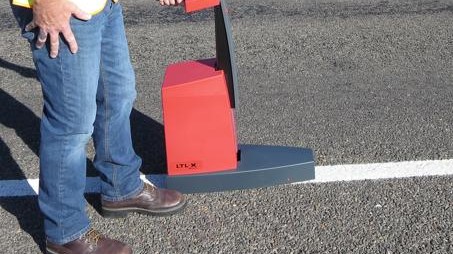
Pavement markings are essential for roadway safety, guiding drivers and supporting advanced driver assistance systems (ADAS) that rely on clear, visible lane markings. While retroreflectivity is commonly used to assess nighttime visibility, factors like pavement color, marking width, surface texture, and environmental conditions also affect performance. Durable, consistent markings are therefore critical for both safety and the reliable operation of emerging vehicle technologies.
Research Problem
Markings often deteriorate quickly due to traffic wear, weather, and inconsistent application practices. Traditional retroreflectivity tests alone do not capture the full range of factors that affect visibility and durability. Supply chain disruptions and variable quality assurance can further delay maintenance and limit material availability. These challenges underscore the need for performance-based specifications, resilient procurement strategies, and pavement marking standards that support both today’s roads and future automated vehicle systems.
Research Objectives
This study identifies pavement marking products that can withstand New Jersey’s traffic and weather while remaining durable and cost-effective. It evaluates drying times, durability, temporary marking needs, and cost performance to improve installation specifications, maintenance practices, and testing protocols. The research also explores alternative specifications for rapid application during material shortages and examines how markings interact with autonomous vehicle sensing systems to support safe operation.
Methodology
From 2023–2025, researchers combined technical data collection, field investigations, and stakeholder interviews to evaluate pavement marking performance statewide. Video-based technologies and computational analysis assessed durability, drying times, cost-effectiveness, and compatibility with automated vehicle sensors. The study also reviewed specifications, testing protocols, and supply chain considerations to identify opportunities for improvement.
Key Findings
- Retroreflectivity declines quickly. Field data showed that the coefficient of retroreflected luminance (RL) often dropped within 7–8 months, frequently falling below 150 mcd/m²/lux. Visual inspections alone overestimated marking quality, highlighting the need for objective RL testing.
- Thermoplastic performs best. Thermoplastic markings were the most durable, especially on high-volume and snowplow routes. Six-inch lines outperformed narrower markings. Epoxy degraded faster, while waterborne paints are best suited for temporary use.
- Supply chain resilience matters. Bulk purchasing, diversified vendors, and approval of alternative materials (like high-build paints) help maintain marking programs during disruptions.
- Performance thresholds guide maintenance. Agencies should adopt minimum maintained RL thresholds (≥150 mcd/m²/lux for white, ≥100 mcd/m²/lux for yellow) to refresh markings proactively. Post-installation and periodic testing support better service-life management.
- Clearer markings support automated vehicles. High-contrast, wider markings improve detection by ADAS and autonomous vehicle sensors, supporting safer automated mobility.