
The 28th Annual NJDOT Research Showcase brought together New Jersey’s transportation community. The event took place in-person at Mercer County Community College—with a livestreaming option—from 9:30 AM to 3:00 PM on October 28, 2026. It highlighted ongoing research and technology transfer initiatives conducted by NJDOT partners, including institutions of higher education, public agencies, and private-sector organizations.
This year’s theme, “The Road Ahead: AI and the Future of Transportation” shaped the morning plenary session and much of the subsequent event. In the afternoon, the Showcase featured presentations on infrastructure, safety, and digital transformation, delivered by research faculty, staff, students, and private-sector representatives. NJDOT also presented several awards recognizing research and implemented innovations.
The Research Showcase Program Agenda provides more information on the day’s proceedings, including research topics, presentation abstracts, speaker biographies, and posters. Recordings of the plenary and breakout sessions, and the presentations and posters shared during the event can also be found below.
MORNING
WELCOMING AND INTRODUCTORY REMARKS
David Maruca, Program Development Coordinator, Rutgers Center for Advanced Infrastructure and Transportation (CAIT), opened the event. He welcomed attendees, covered housekeeping details, and outlined the day’s agenda.
Michael Manzella, Director of Statewide Planning, NJDOT, welcomed attendees and thanked participants, including representatives from the Federal Highway Administration, the NJDOT Bureau of Research and Innovation, transit agencies, universities, and private-sector partners. He also thanked the host, Mercer County Community College. He then introduced NJDOT Commissioner Priya Jain, who delivered opening remarks.

Francis O’Connor, Commissioner, New Jersey Department of Transportation
Commissioner Jain discussed her commitment to modernizing NJDOT and how this focus area aligns with the day’s theme. NJDOT will continue research that improves how it plans, maintains, and invests in its assets, but enhance these efforts with emerging technologies. She stated that AI “has a tremendous potential to analyze complex information, identify patterns, and support better decisions,” allowing NJDOT to get ahead of challenges rather than just responding to them. The “human element” will remain important in the agency’s research, with AI used as a tool when appropriate. She recognized several recent NJDOT research projects that have adopted this approach, using new technologies to solve problems facing New Jersey’s transportation system.
KEYNOTE ADDRESS
Craig Thor, Chief Scientist at the Federal Highway Administration (FHWA) Turner Fairbank Highway Research Center, and Matt Cuddy, Operations Research Analyst at the United States Department of Transportation (USDOT) Volpe Center, gave the keynote address. They focused on how state DOTs are responding to the emergence of AI.
Craig Thor began by discussing the importance of state partners, such as NJDOT, to the FHWA’s success. He said the future of transportation—and the role of DOTs in managing transportation—is changing because of emerging technologies. To better respond to these new technologies, state DOTs need to be able to learn from each other’s research to create practical solutions.
He emphasized that the FHWA has limited jurisdiction to implement new technologies, but can provide guidance and leadership at a national level. Transportation Pooled Funds (TPFs) are being leveraged to support this goal. NJDOT is leading a new TPF to help state DOTs share their AI research and the FHWA is leading the National AI Coalition TPF to align public- and private-sector research and development nationwide. The FHWA has also established a national Super Intelligence Deployment Center of Excellence, which will compile resources from across the country to make it easier for state DOTs to learn from each other.

Debra Sabatini Hennelly, President, Resiliti
Matt Cuddy expanded more on USDOT’s Intelligent Transportation Systems (ITS) Joint Program Office. He briefly outlined the main types of AI technology—machine learning, computer vision, and large language models—before describing how transportation agencies are using them. While several state DOTs have launched pilot programs and adopted strategic plans addressing AI, there are still barriers to widespread public sector adoption, including a lack of frameworks to guide usage, difficulties in scaling usage, and workforce and agency readiness.
To help overcome these challenges, said Cuddy, the ITS Joint Program Office was launched in 2025. The integrated multimodal program has three priorities to support state DOTs: developing enabling technologies, deployment testing, and driving AI adoption. He described some of the assistance ITS provides, including guidance and knowledge-sharing on AI procurement, funding for deployment, prototype projects, and organizational assessments.
He concluded by reminding the audience that AI only works with human input, so state DOTs need to invest in workforce readiness in order to use AI responsibly and effectively. Cuddy and Thor then answered several questions from the audience on topics ranging from AI and vision zero, to addressing biased models, to using AI for infrastructure monitoring.
MORNING SESSION PANEL DISCUSSION
Pragna Shah, Manager, NJDOT, briefly introduced NJDOT’s Bureau of Research and Innovation, discussing key people and the bureau’s major functions and programs. The plenary session continued with an interactive panel discussion, “AI and the Future of Transportation,” moderated by Giri Venkiteela, Innovation Officer, NJDOT Bureau of Research and Innovation. Representatives from NJDOT, NJ TRANSIT, and the Port Authority of New York and New Jersey discussed how their organizations are adopting AI in their work. Topics included:
- Using AI to analyze system-wide crash risk
- The role of AI in aviation
- NJDOT’s AI framework
- How NJ TRANSIT is using AI
- Autonomous vehicles as public transportation
- The Bureau of Research and Innovation’s AI journey
Panelists included:
- Jeevanjot Singh, Executive Manager, NJDOT Bureau of Safety Improvement Program
- Kimbrali Davis, Executive Manager, NJDOT Bureau of Aeronautics
- Neha Panchal, Management Improvement Specialist 2, NJDOT Bureau of Information Technology
- Luna Katbah, Head of Innovation, IT and Digital, NJ TRANSIT
- Seth Wainer, Director, Department of Planning and Innovation, Port Authority of New York and New Jersey
- Giri Venkiteela, Innovation Officer, NJDOT Bureau of Research and Innovation
Morning Panel
The panel concluded with a question on how agencies can show the return on investment for AI projects. Panelists emphasized that returns were not only monetary, but included time savings and improved efficiency.

Morning plenary included: Christen Thomas, Senior Manager, Deloitte Consulting LLP; Savita Lachman, Deputy Chief Human Resources Officer, NJ TRANSIT; Rebecca Savelli, Human Resources Manager II, NJDOT; Anthony Ennas, Senior Director of Statewide Operations, NJDOT (left-to-right)


AWARDS
Devyn Cordero, Research Project Manager at NJDOT, then presented awards recognizing research, innovation, and implementation efforts throughout New Jersey.
2026 Outstanding University Student in Transportation Research Award
Recipient: Md Sadman Islam, Rowan University
Recognized for his contributions to several NJDOT-sponsored projects, including Evaluation of NJDOT Hardened Traffic Paint Markings and Stripes Performance and Best Practices for Traffic Signal Priority Integration.
Recipient: Bhargavi Reddy Kotha, New Jersey Institute of Technology
Poster: Transforming Existing NJDOT Traffic Cameras into Autonomous Congestion Detection Systems by Utilizing Video Vision-Language Models
The research applied vision-language models to footage from NJDOT cameras to assess congestion on state roads. One model was accurate 90 percent of the time on average. This data shows how existing cameras owned by NJDOT can be used as automatic congestion sensors, eliminating the need to install new sensors.
2026 NJDOT Research Champion Excellence Award
Recipients: Madhavi Andey, Chandrakant Patel, and Matt Gillece, NJDOT
Project: AI Assistant for Construction and Material Training and Compliance Review
2026 NJDOT Build a Better Mousetrap (BABM) Award
Recipient: Tim Bain, Communications Systems Technician 2, NJDOT Division of Operations Support & Engineering
Innovation: Gate Housing Position Indication System
Tim developed an indicator light that tells drawbridge operators whether warning gates need to be raised or lowered. By providing this information directly at the gate mechanisms, his innovation reduces confusion, errors, and communication time with remote operators. This will help operators open the warning gates more quickly, reducing delays for drivers waiting to cross.
Recipient: Kevin Krzynowek, Chief Bridge Operator, NJDOT
Innovation: Drawbridge Operations Multi-User Scheduling & Management System
Kevin was recognized for developing a cloud-based scheduling system for the state’s eleven manned drawbridges. Previously, drawbridge operators relied on paper schedules, which had caused scheduling issues and delays. With the new scheduling system, all operators and supervisors can see updates in real time, improving communication.
The Showcase featured a short video explaining both innovations.
NJDOT also took this opportunity to acknowledge two projects that received national recognition:
2026 National High Value Research Awards
Evaluation of NJDOT Hardened Traffic Paint Markings and Stripes Performance
AASHTO Honorable Mention Award in Safety, Security, and Emergencies
Research Team: Mohammad Jalayer, Subasish Das, Adam Pike, and Yusuf Mehta
Research Project Manager: Giri Venkiteela
Technical Advisory Panel: Yong Zeng and Michael Congleton
NJDOT Multi-Hazard Design of Highway Bridges Recommendations
AASHTO High Value Research Award
Research Team: Hani Nassif, Patrick Lou, Harry Capers, Jr., and Chaekuk Na
Research Project Manager: Devyn Cordero
Technical Advisory Panel: Xiaohua “Hannah” Cheng
PRESENTATION OF AWARDS

2026 Outstanding University Student in Transportation Research Award

2026 Best Poster Award

2026 NJDOT Research Implementation Award

2026 BABM Awards

2026 National High Value Research Awards: Evaluation of NJDOT Hardened Traffic Paint Markings and Stripes Performance

2026 National High Value Research Awards: NJDOT Multi-Hazard Design of Highway Bridges Recommendations
AFTERNOON
INFRASTRUCTURE
Infrastructure Sessions
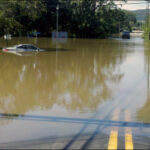
Flooding Incident Based Exposure Score Classification for NJDOT Roadway Segments
Presenter: Nishigandha Rajeshwar Jukte, Rowan University

A Paradigm Shift in Steel Assembly: Tool-Free Field Splices Enabled by Metal Additive Manufacturing
Presenter: Islam Mantawy, Rowan University
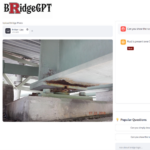
A Hybrid Vision-Language Model and Deep Learning Framework for Infrastructure Inspection
Presenter: Hao Wang, Rutgers University
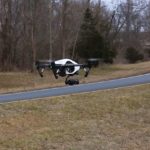
Enhancing Safety and Efficiency Embracing Challenges with Drones for Bridge Inspections
Presenter: Utsab Pokharel, NJDOT

How GPI is Leveraging and Adapting to AI
Presenters: Dave Kuhn & Dave Wagner, GPI
SAFETY
Safety Sessions

Applying Artificial Intelligence (AI) to Safety Analysis
Presenters: Danielle Baer & Lauren Kretzing, Urban Engineers

From Roadside LiDAR to Actionable Traffic Data: AI-Enabled Monitoring for Traffic Operations, Safety, and Freight
Presenter: Yiqiao Li, City College of New York
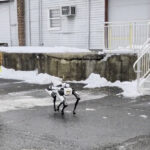
Research and Pilot Study on Robotic Security for NJDOT Yards Surveillance
Presenter: Alexander Warden, Rutgers University
AI for Smarter Safety Investment: Enhancing New Jersey’s Safety Performance Functions and Network Screening
Presenters: Chaitanya Pathak & Steven Luglio, HNTB
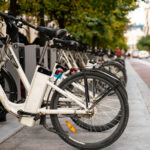
Infrastructural and Safety Barriers to E-Bike Use: Insights from a Nationwide Survey
Presenter: Hannah Younes, Rutgers University
DIGITAL TRANSFORMATION
Digital Transformation Sessions

What are the Digital Infrastructure Components for State DOTs?
Presenters: Giri Venkiteela & La Zhao, NJDOT
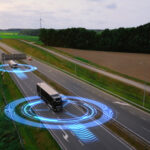
TrafficCube AI-based Data Fusion, Visualization, and Analysis Platform
Presenter: David Hale, Leidos
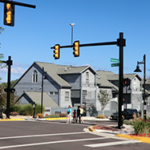
Evaluating CAV Impacts on Signalized Intersection Work Zone Capacity: A New Jersey Case Study
Presenter: Fahmida Rahman, Rowan University
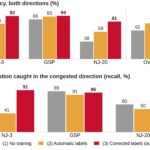
Transforming Existing NJDOT Traffic Cameras into Autonomous Congestion Detection Systems by Utilizing Video Vision-Language Models
Presenter: Bhargavi Reddy Kotha, New Jersey Institute of Technology

Automated Text Extraction from Bridge Inspection Images to Support Infrastructure Management Systems
Presenter: Gianluca Bruno, Rutgers University
POSTERS
(click images for PDF)
Infrastructure
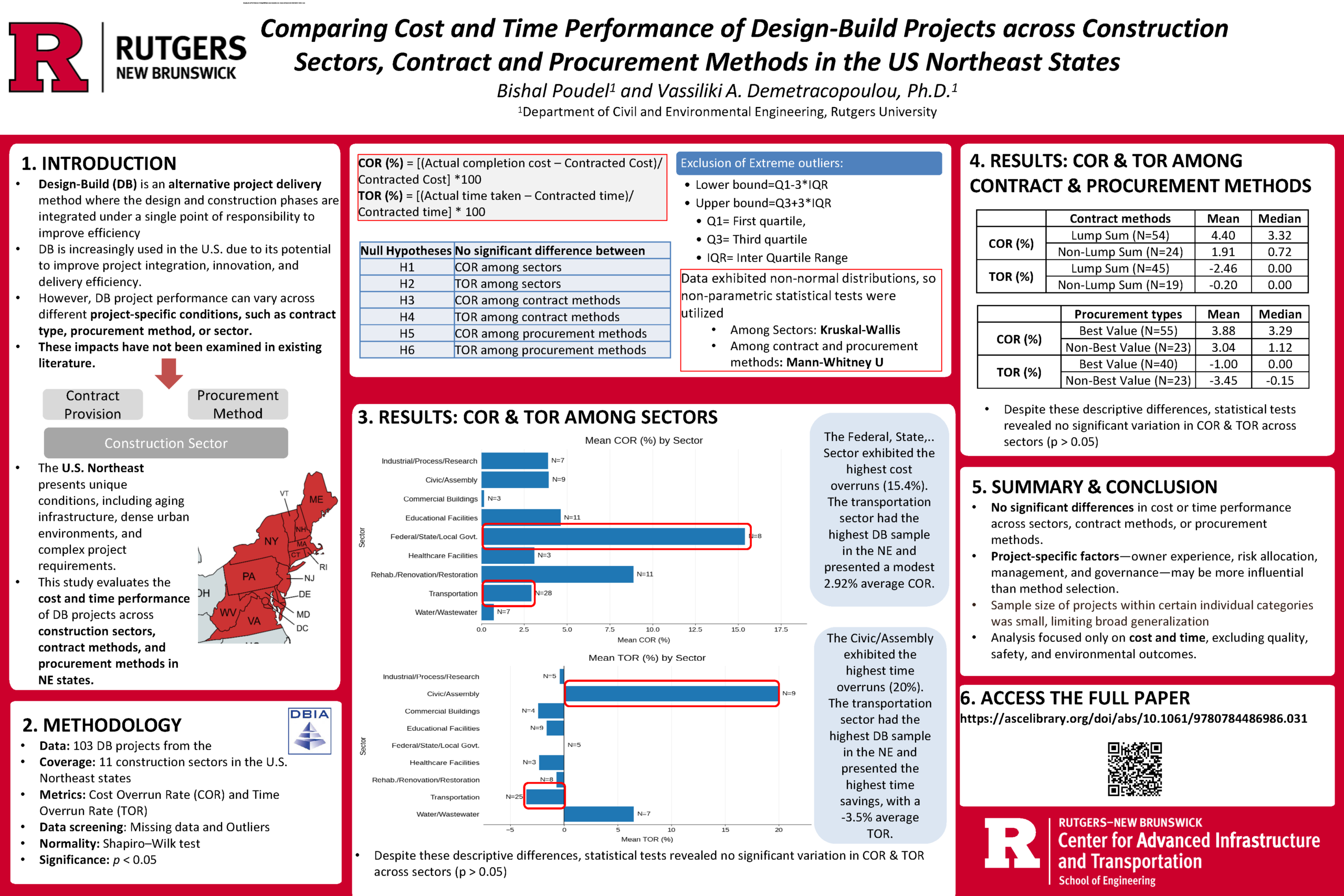
Comparing Cost and Time Performance of Design-Build Projects across Construction Sectors, Contract and Procurement Methods in the US Northeast States
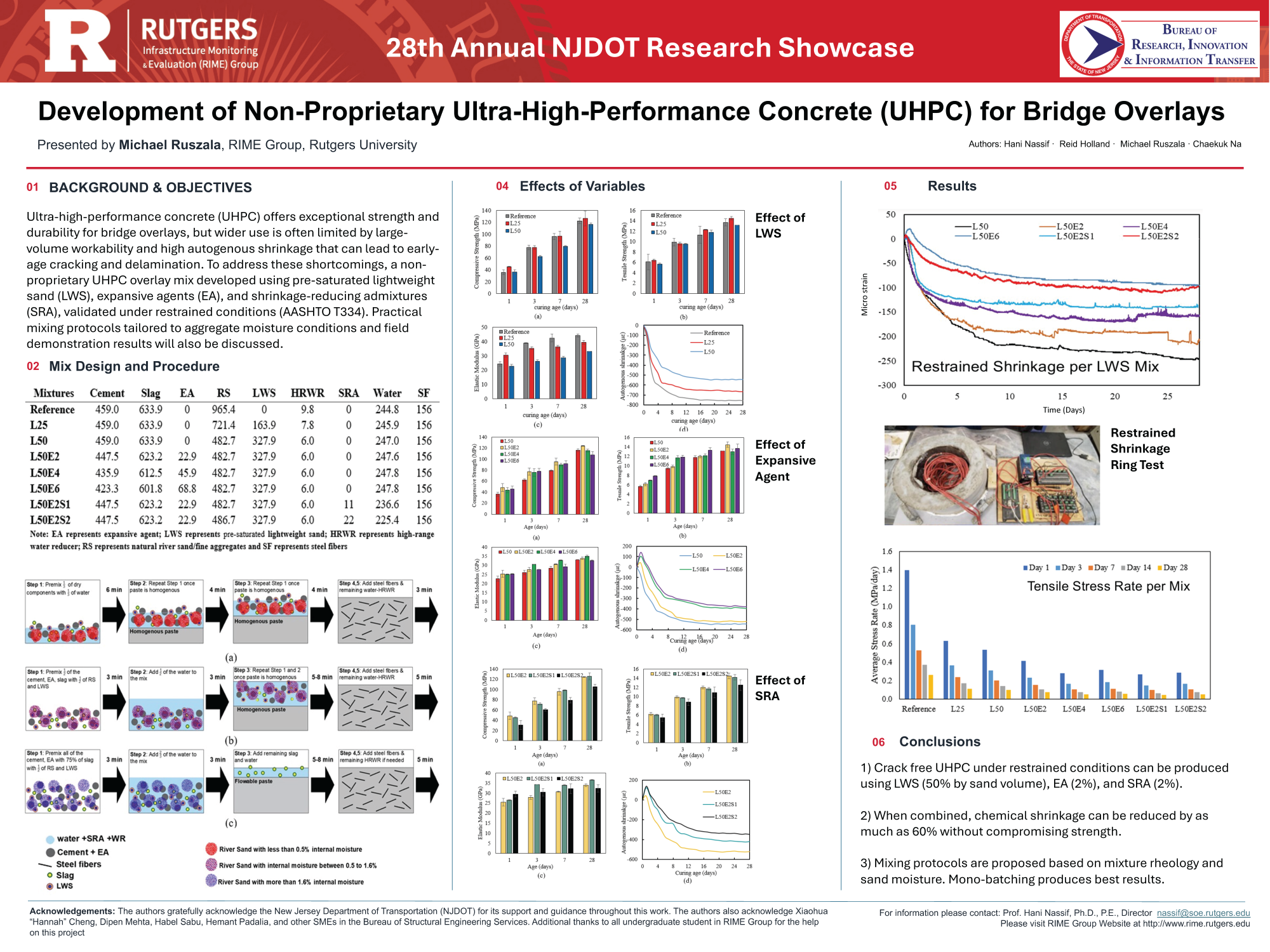
Development of Non-proprietary Ultra-High-Performance Concrete (UHPC) for Bridge Overlays
Evaluating CAV Impacts on Signalized Intersection Work Zone Capacity: A New Jersey Case Study
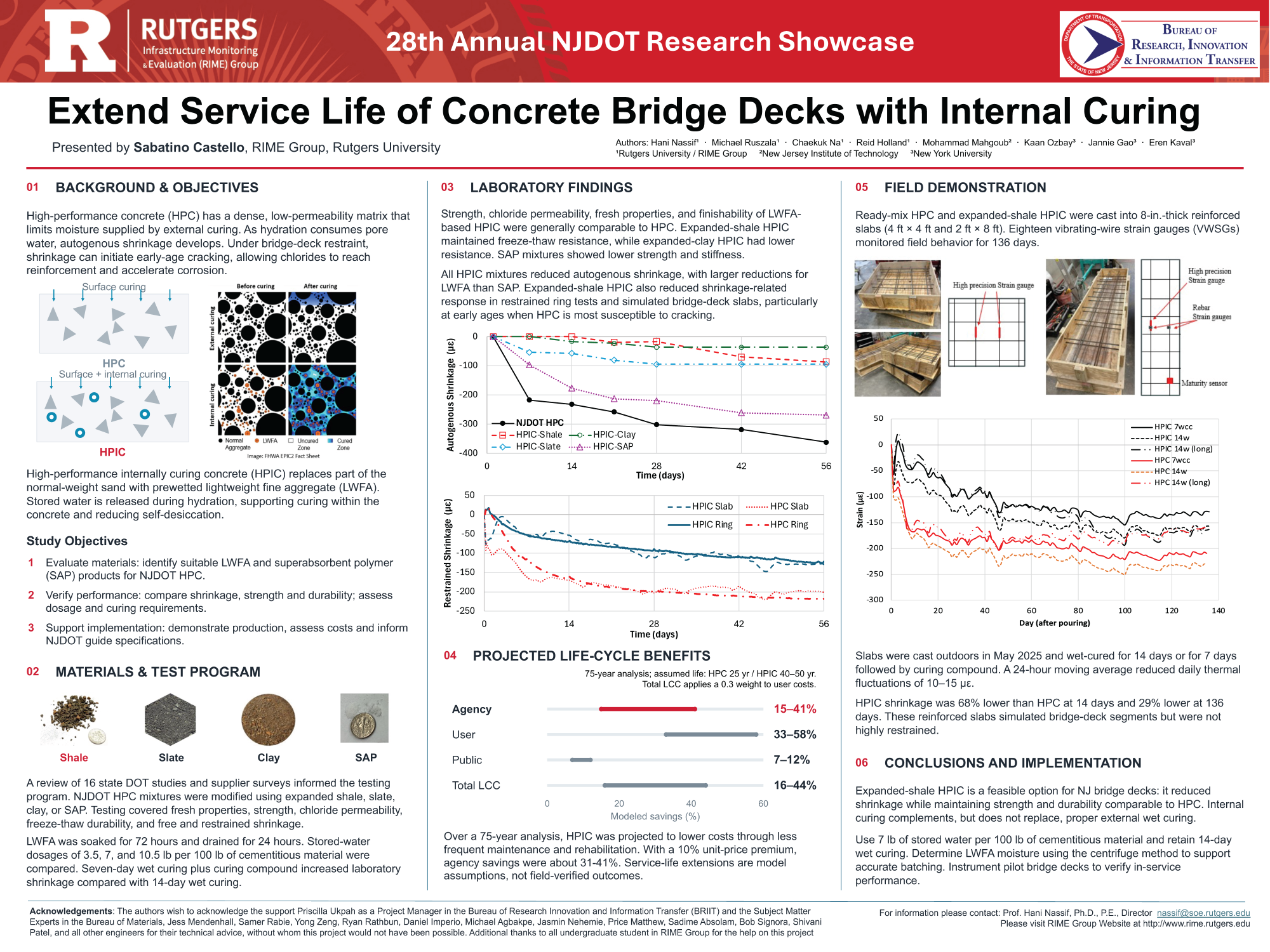
Extend Service Life of Concrete Bridge Decks with Internal Curing
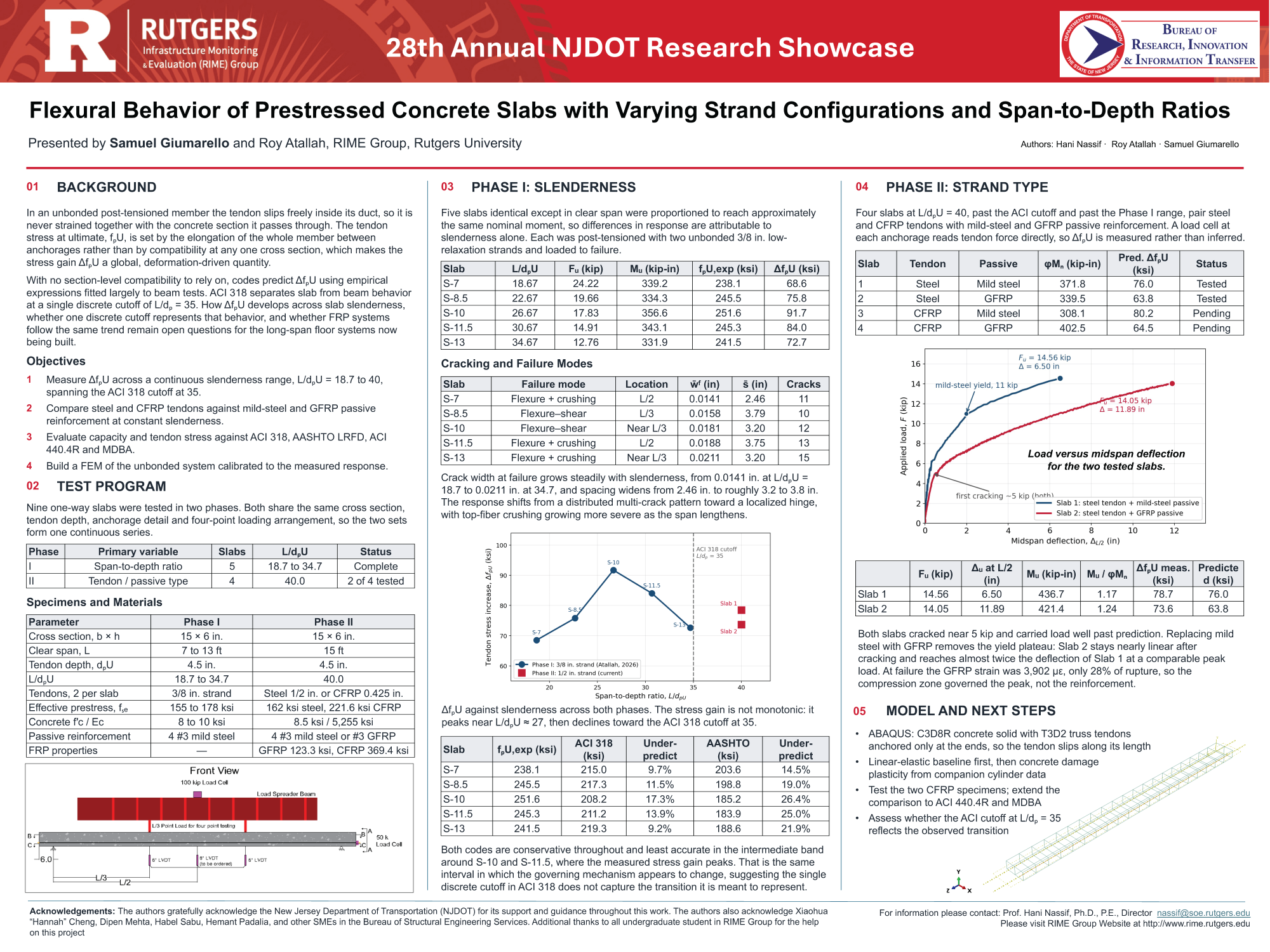
Flexural Behavior of Prestressed Concrete Slabs with Varying Strand Configurations and Span-to-Depth Ratios
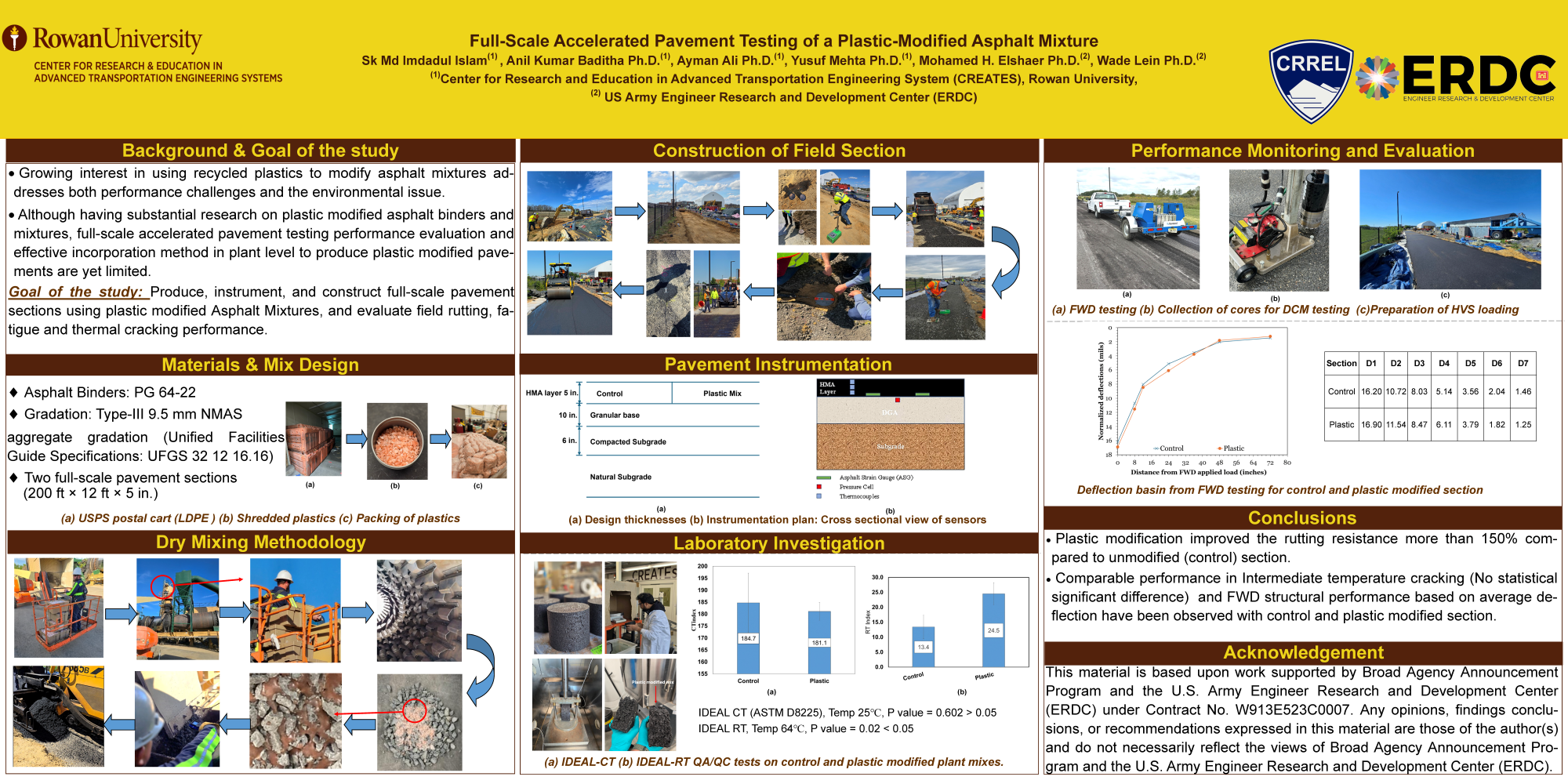
Full-Scale Accelerated Pavement Testing of a Plastic-Modified Asphalt Mixture
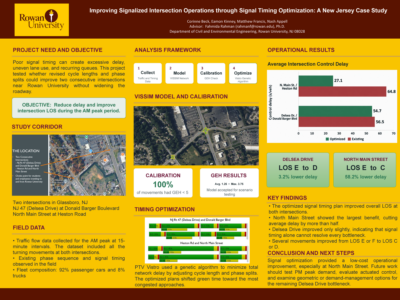
Improving Signalized Intersection Operations through Signal Timing Optimization: A New Jersey Case Study
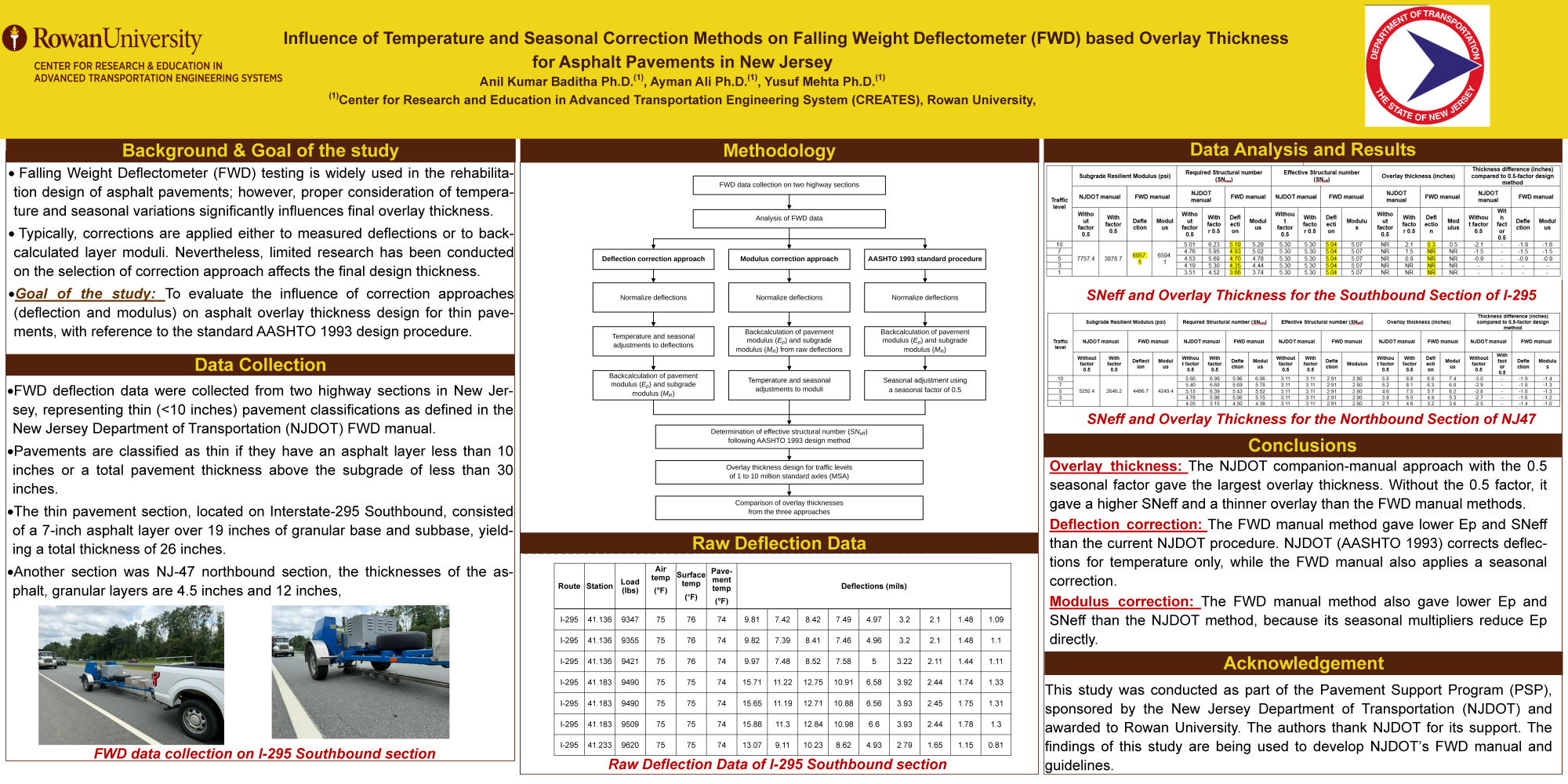
Influence of Temperature and Seasonal Correction Methods on Falling Weight Deflectometer (FWD) Based Overlay Thickness for Asphalt Pavements in New Jersey
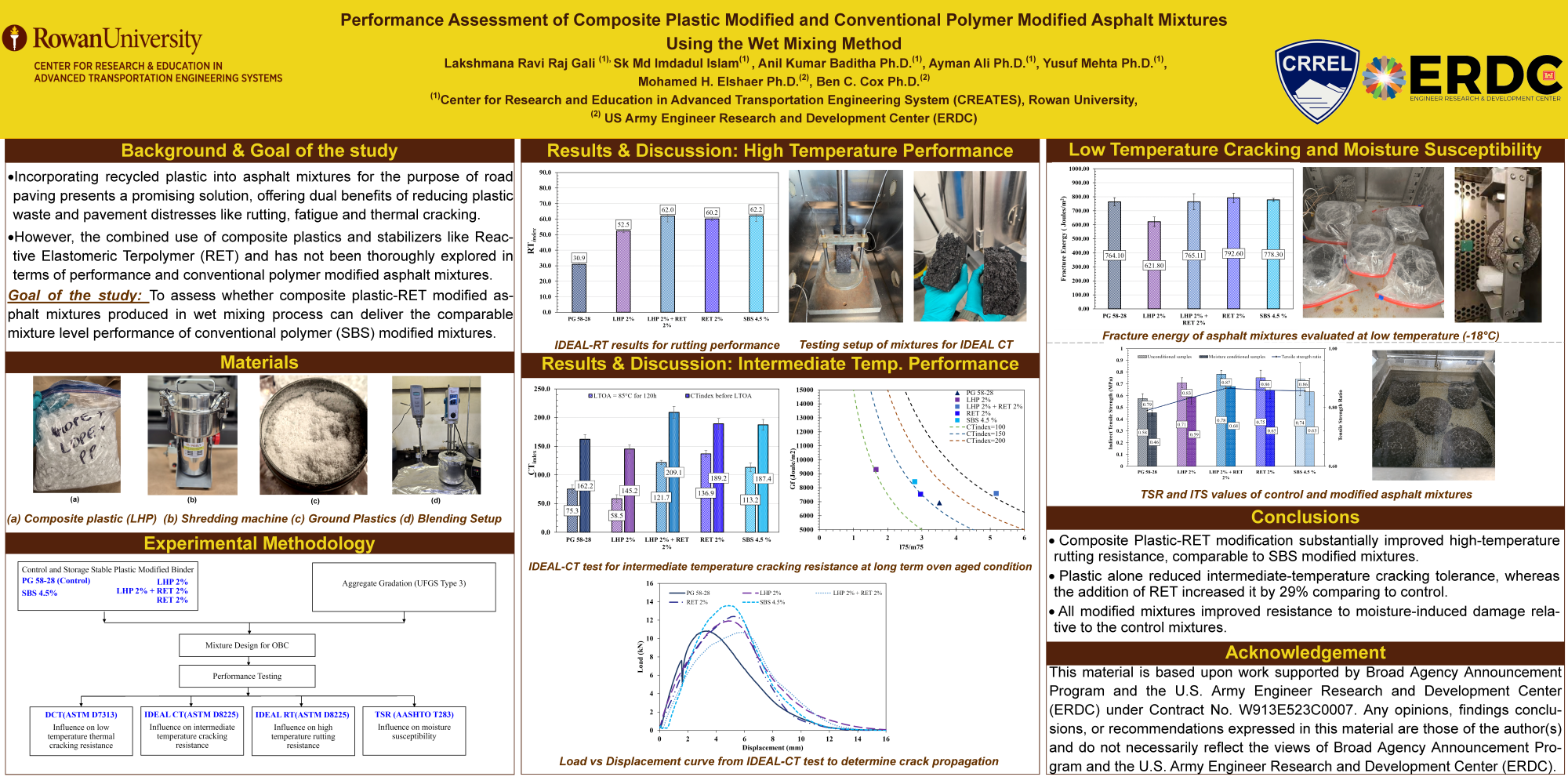
Performance Assessment of Composite Plastic Modified and Conventional Polymer Modified Asphalt Mixtures Using the Wet Mixing Method
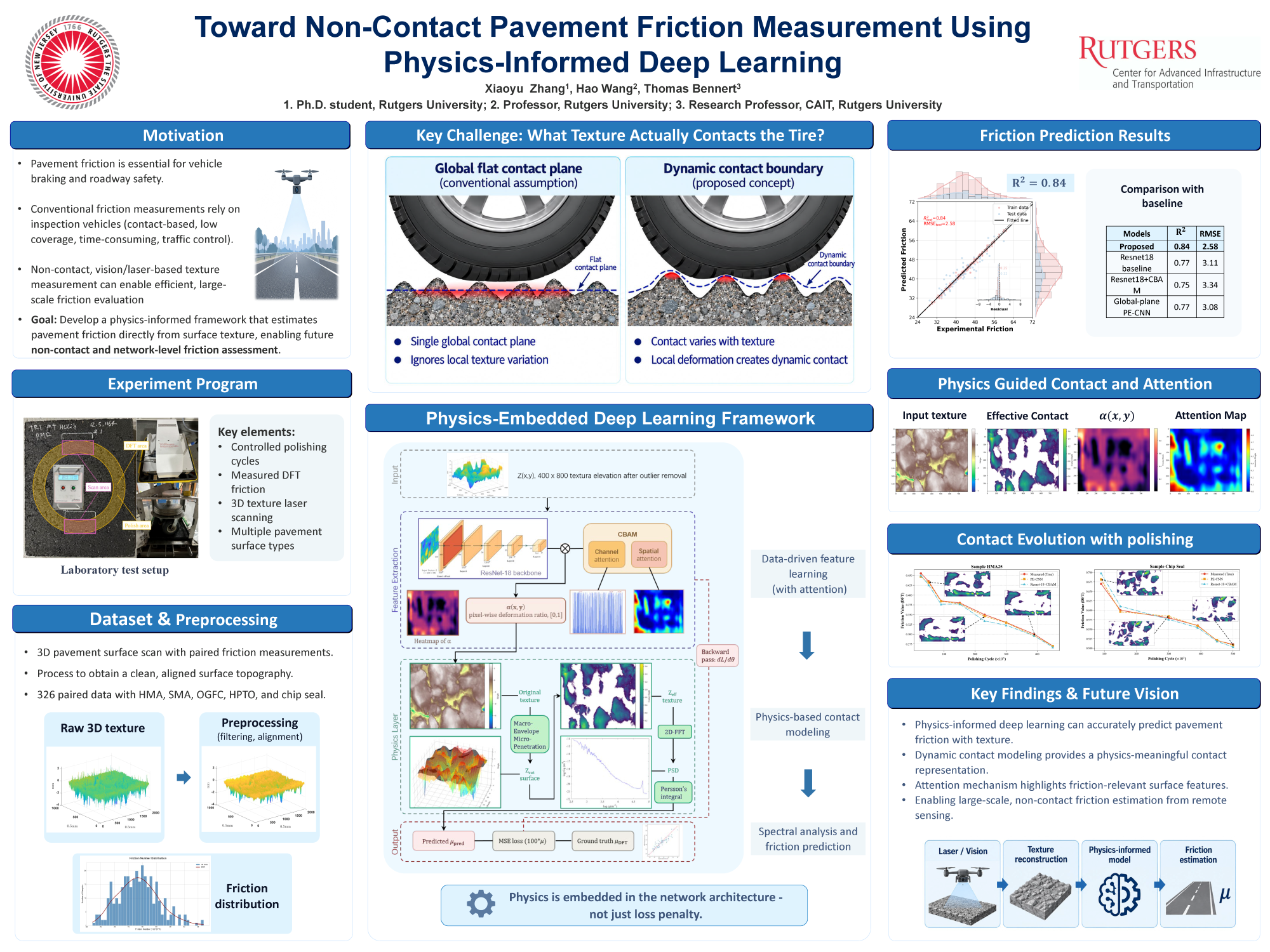
Toward Non-Contact Pavement Friction Measurement Using Physics-Informed Deep Learning
Safety
Advancing Work Zone Safety with Explainable AI: Evaluating the Effect of Work Zone Presence on Crash Severity
Enhancing State DOT Work Zone Safety by Integrating Internal Traffic Control Plan
From Crash Data to Action: An Agentic AI Framework for Segment-Level Crash Frequency Prediction
Digital Transformation
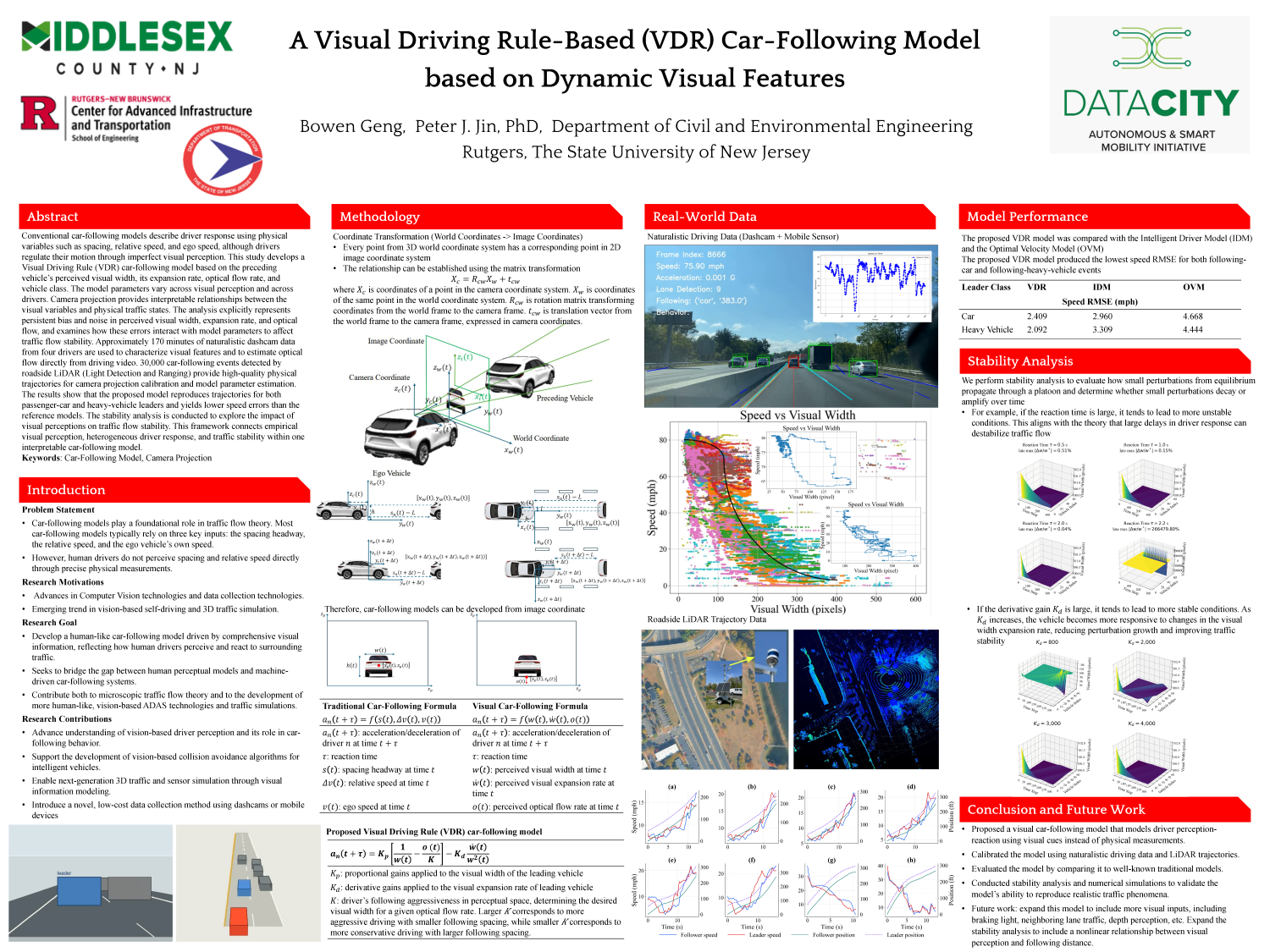
A Visual Driving Car-Following Model Based on Dynamic Visual Features
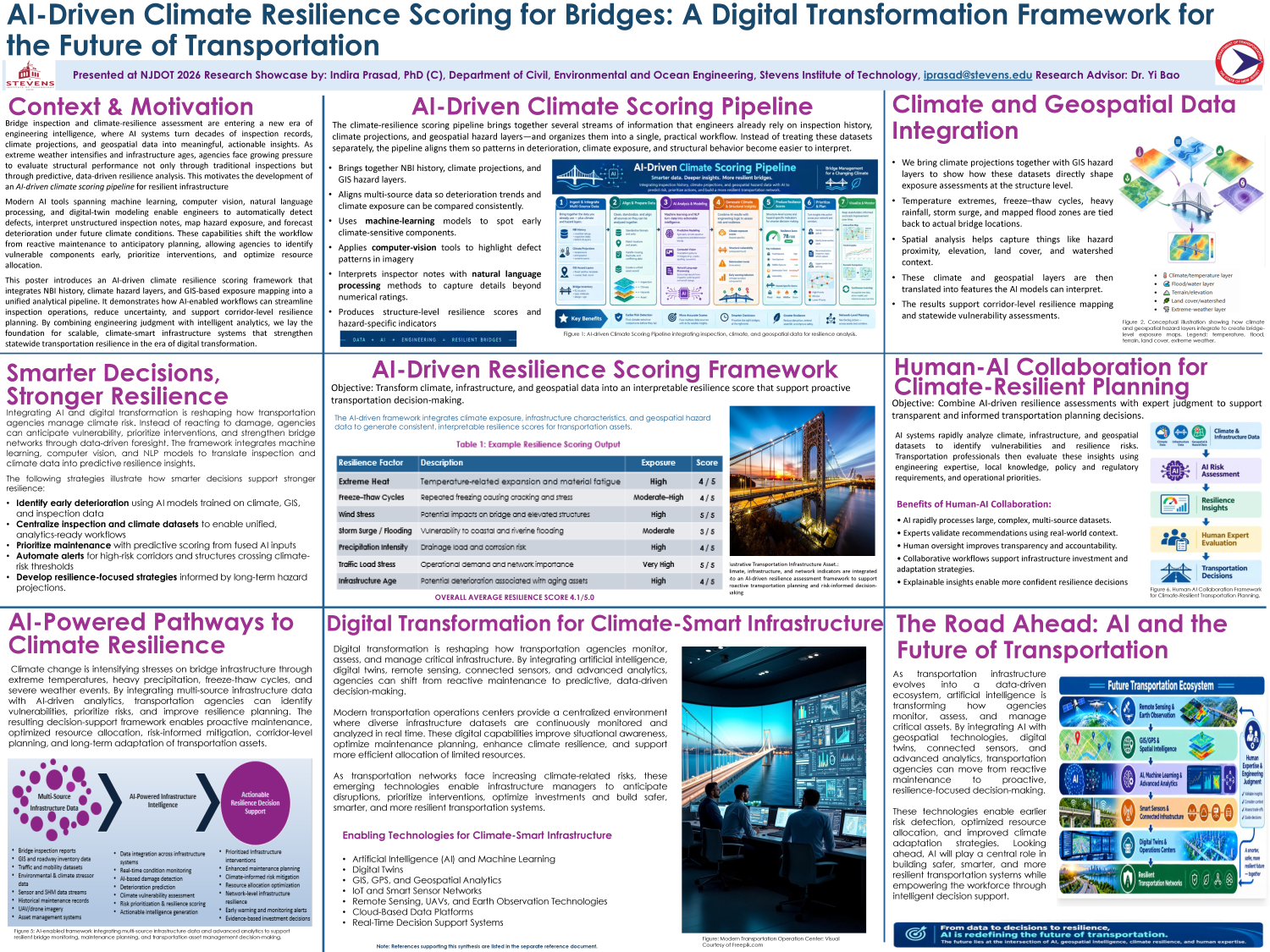
AI-Driven Climate Resilience Scoring for Bridges: A Digital-Transformation Framework for the Future of Transportation
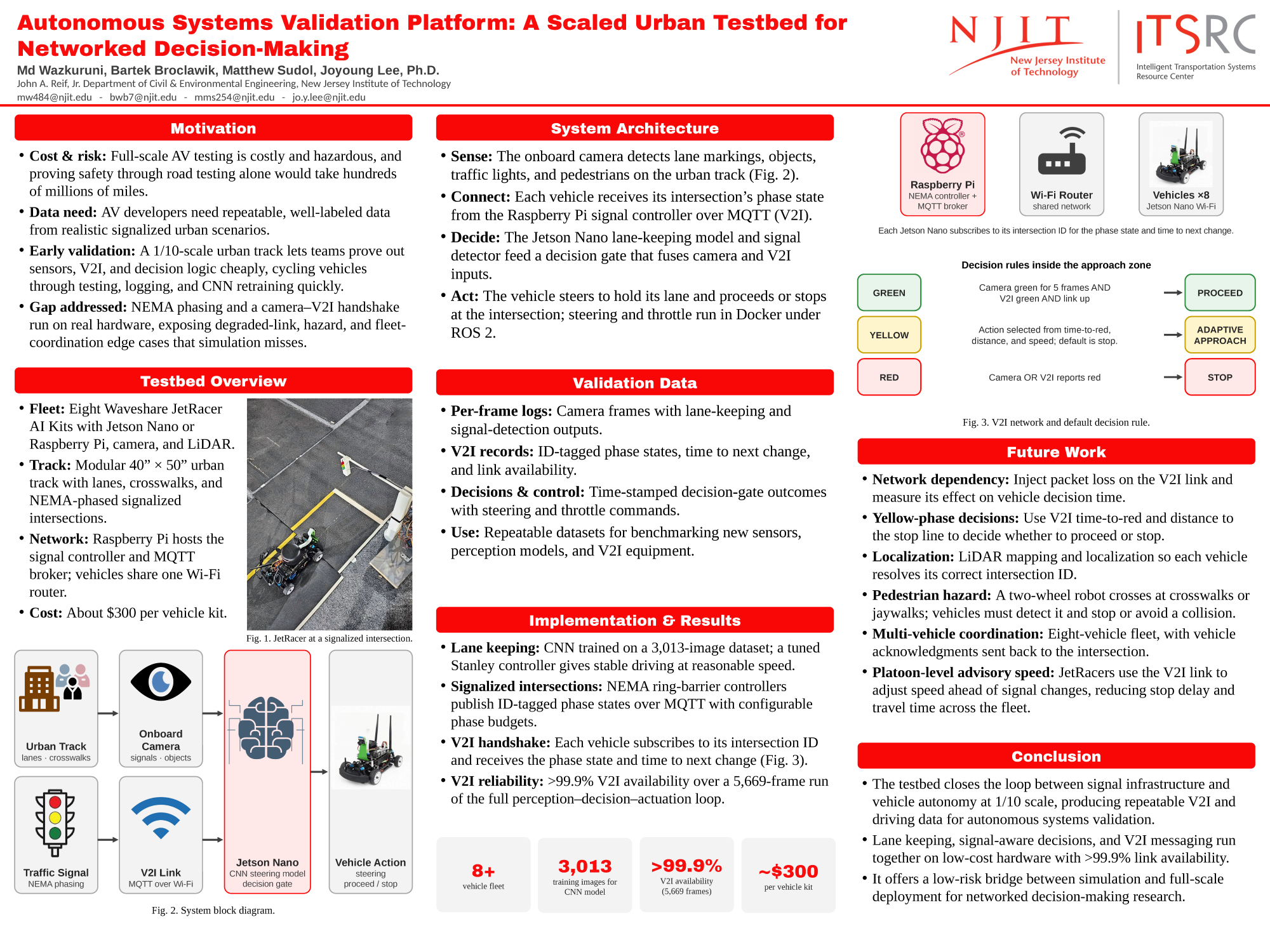
Autonomous Systems Validation Platform: A Scaled Urban Testbed for Networked Decision-Making
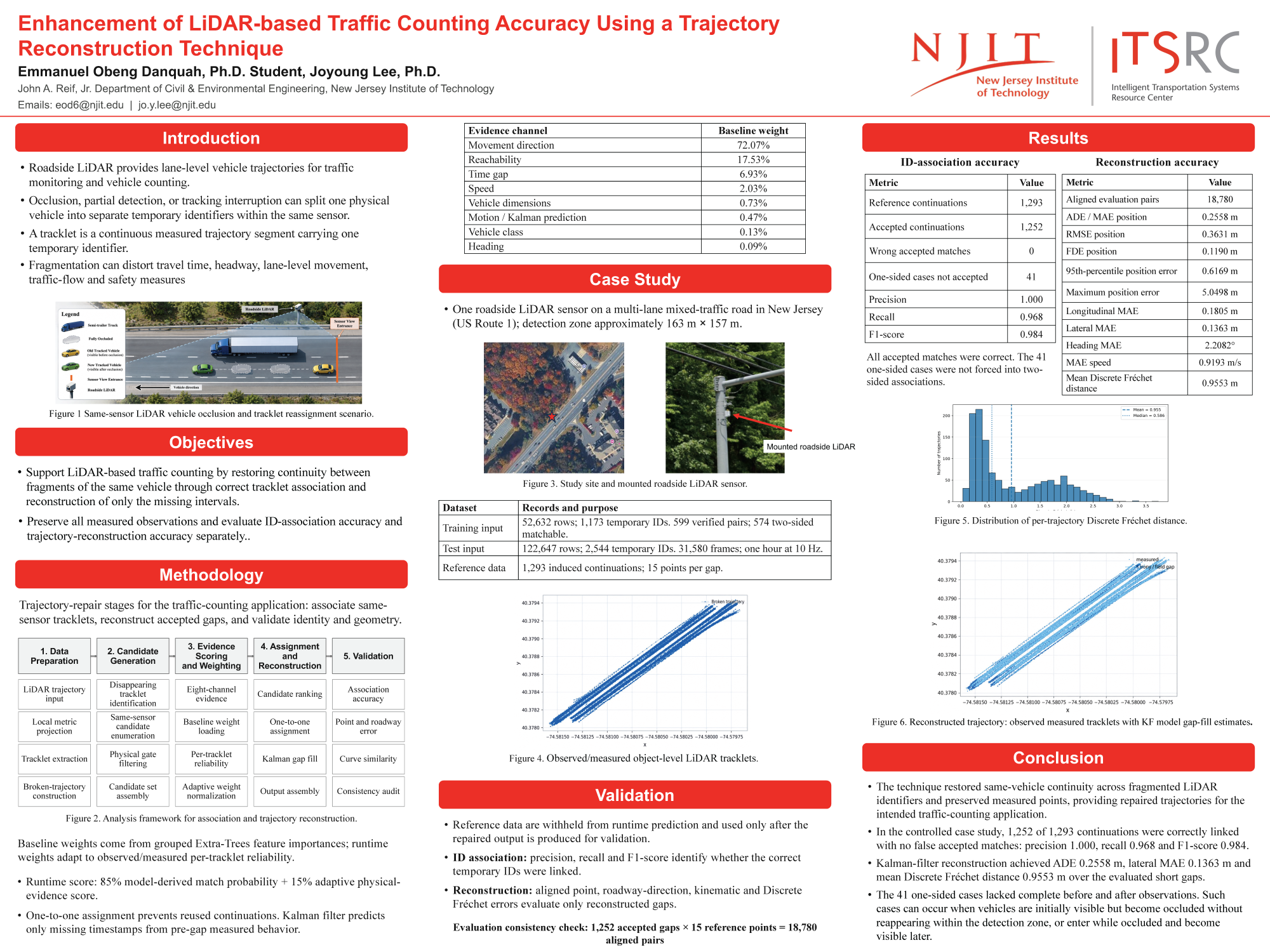
Enhancement of LiDAR-based Traffic Counting Accuracy Using a Trajectory Reconstruction Technique
From Recorded Traffic to Steering and Acceleration:
A Gated Hybrid of Convolutional and Vision-Language AI
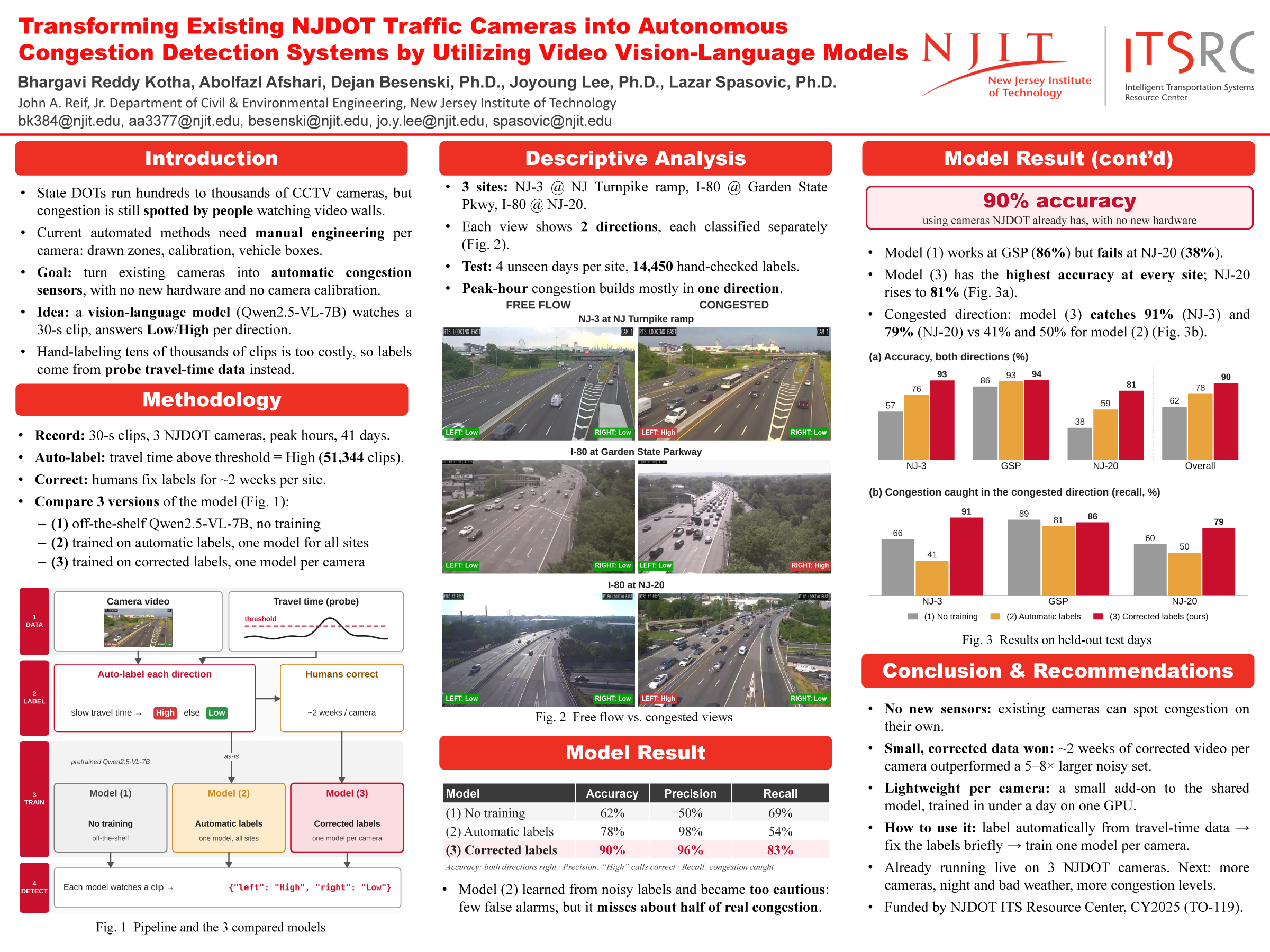
Transforming Existing NJDOT Traffic Cameras into Autonomous Congestion Detection Systems by Utilizing Video Vision-Language Models


